
Vape devices contain several electronic and mechanical components, which means they can develop problems over time. Common vape issues include no vapour production, leaking e-liquid, a burnt taste, charging problems, overheating, battery issues, and accidental activation. Some problems may result from normal wear and tear, while others can indicate potentially serious electrical or battery faults. Understanding these common issues can help you recognise when a vaping device may be faulty or unsafe to use. Below are 10 common problems experienced with vaping devices, along with their possible causes and important safety considerations.
No Vapour Production
One commonly reported problem is a vaping device that activates but does not produce vapour, or does not activate at all. Possible causes include:
- Low or depleted battery.
- Damaged or worn heating coil.
- Poorly fitted pod or tank.
- Blocked airflow.
- Internal electrical problems.
- Empty or incorrectly fitted e-liquid reservoir.
If your device is not producing vapour, there may be an issue with its power supply, heating components, or airflow system. Do not repeatedly activate the device or attempt to bypass its safety features. If the problem continues, stop using it and follow the manufacturer’s guidance.
Leaking E-Liquid
E-liquid leakage is a common issue with refillable vaping devices and pod systems. Liquid may escape from the tank, mouthpiece, filling section, or connection points. Possible causes include:
- Damaged seals or O-rings.
- Cracked tank or pod.
- Loose connections.
- Overfilled reservoir.
- Worn internal components.
- Physical damage caused by dropping the device.
Leaking may indicate that the liquid reservoir, seals, or connections are no longer functioning properly. Do not continue using a device that leaks repeatedly. If liquid may have entered the battery compartment or internal electronics, stop using it and follow the manufacturer’s safety guidance. Keep e-liquid away from children and pets. Avoid skin and eye contact, and follow the product’s safety instructions if exposure occurs.
Burnt Taste
A burnt or unpleasant taste can indicate that the heating coil or the material surrounding it has been damaged or overheated. Possible causes include:
- Low e-liquid levels.
- Worn heating components.
- Damaged wick material.
- Internal overheating.
- A faulty device.
A burnt taste should not be ignored. Stop using the device rather than continuing to activate it. Research published in Tobacco Control has examined user reports of burnt taste, overheating, and burnt coils in connection with vaping device safety incidents, including fires and explosions. A burnt taste does not mean that a device will necessarily catch fire, but it can be a warning sign that something is not working correctly.
Device Will Not Charge
A vaping device may fail to charge because of a problem with the charging cable, charging connection, battery, or internal electronics. Possible causes include:
- Damaged charging cable.
- Dirty or damaged charging port.
- Faulty charging connection.
- Degraded battery.
- Internal electrical problems.
Never force a charging cable into the device or continue charging it if you notice unusual behaviour. If the device becomes excessively hot, produces unusual smells, swells, or shows visible damage, stop charging it. Disconnect it only if you can do so safely, and keep away from the device if it shows signs of battery failure. Always follow the manufacturer’s charging instructions and use only compatible charging accessories.
Overheating
An overheating vaping device can indicate a potentially serious problem. Although electronic components may become slightly warm during normal operation, a device that becomes excessively hot, heats up rapidly, or overheats without an obvious reason should not be ignored. Possible causes include:
- Battery problems.
- Internal electrical faults.
- Damaged heating components.
- Charging faults.
- Physical damage.
- Exposure to extreme temperatures.
Stop using and charging the device if it becomes excessively hot. Do not attempt to test it, open the battery compartment, or repair its internal components. Keep away from a device that is swelling, smoking, hissing, or showing signs of fire. If there is an immediate risk of fire or explosion, move away and contact emergency services.
Low Vapour Production
Sometimes a vaping device produces noticeably less vapour than expected. Possible causes include:
- Battery problems.
- Airflow restrictions.
- Worn heating components.
- Sensor problems.
- Damaged or incorrectly fitted parts.
Reduced vapour production may indicate that one or more components are not functioning properly. Different types of vaping devices, including disposables, refillable pod systems, and larger vape mods, have different components. As a result, the possible causes and warning signs can vary between devices.
Gurgling Sounds
Gurgling sounds can indicate that e-liquid or condensation has accumulated in the airflow pathway. Possible causes include:
- Damaged seals.
- Excess e-liquid in the pod or tank.
- Cracked reservoir.
- Incorrectly fitted components.
- Condensation inside the airflow system.
Gurgling may indicate that liquid is not staying where it should within the device. Avoid inhaling leaked e-liquid. Follow the manufacturer’s cleaning instructions. If liquid has entered the electronic or battery compartments, stop using the device.
Accidental Activation
A vaping device that activates or heats up without being intentionally switched on may have a serious fault. Possible causes include:
- Stuck activation button.
- Sensor malfunction.
- E-liquid inside the electronics.
- Damaged internal circuits.
- Faulty control system.
Stop using the device immediately if it activates unexpectedly. Do not attempt to open the electronic components or repair the internal wiring. Accidental activation can cause the heating components to operate unexpectedly and may contribute to overheating.
Battery Issues
If your device loses power unusually quickly or its battery performance changes suddenly, it may indicate battery degradation or a fault. Possible causes include:
- Normal battery ageing.
- Repeated charging and use.
- Exposure to extreme temperatures.
- Physical battery damage.
- Internal electrical problems.
Battery capacity can decrease over time. However, a sudden change in performance should not be ignored. If the battery becomes excessively hot, swells, leaks, or shows visible damage, stop using and charging the device. Never attempt to repair or reuse a damaged lithium-ion battery.
Physical Damage to the Device
Physical damage can affect the safety and operation of a vaping device. Examples include:
- Cracked pod or tank.
- Broken outer casing.
- Damaged charging port.
- Exposed electronic components.
- Bent or damaged battery connections.
Possible causes include:
- Accidental drops.
- Pressure or impact.
- Moisture exposure.
- Extreme temperatures.
- Normal wear and tear.
Do not use a device that has significant physical damage, particularly if the battery or internal components may be affected. Contact the manufacturer for advice about safe replacement or disposal.
Common Vaping Device Issues
| Issue | What it may indicate | Safety tip |
| No vapour | Battery, airflow, heating, or electrical issue | Do not repeatedly activate the device |
| Leaking e-liquid | Damaged seals, tank, or pod | Stop using if leakage continues |
| Burnt taste | Damaged heating components or overheating | Stop using the device |
| Not charging | Cable, charging port, battery, or electrical fault | Stop if there are signs of heat or damage |
| Overheating | Potential battery or electrical problem | Stop using and charging |
| Gurgling | Liquid or condensation in the airflow | Avoid inhaling leaked liquid |
| Accidental activation | Button, sensor, or circuit fault | Stop using immediately |
| Battery losing power quickly | Battery degradation or possible fault | Stop using if it becomes hot, swollen, or damaged |
| Cracked casing | Physical or possible internal damage | Do not use if significant damage is present |
How to Know When Your Vape Device May Be Unsafe
Some vaping device problems may be related to wear and tear, while others can indicate a potentially dangerous battery or electrical fault. Watch out for these warning signs:
- Excessive overheating.
- Swelling or puffing of the battery or device.
- Unusual smells.
- Smoke, sparks, or hissing noises.
- Melted or discoloured components.
- Accidental activation.
- Visible battery damage.
- E-liquid inside the electronic components.
If you notice any of these signs, stop using and charging the device. Do not open, alter, puncture, or attempt to repair the battery. The U.S. Food and Drug Administration (FDA) warns that vape batteries can catch fire or explode. Following manufacturer instructions, using compatible batteries and charging accessories, avoiding extreme temperatures, and charging on a clean, flat surface away from flammable materials can help reduce certain risks.
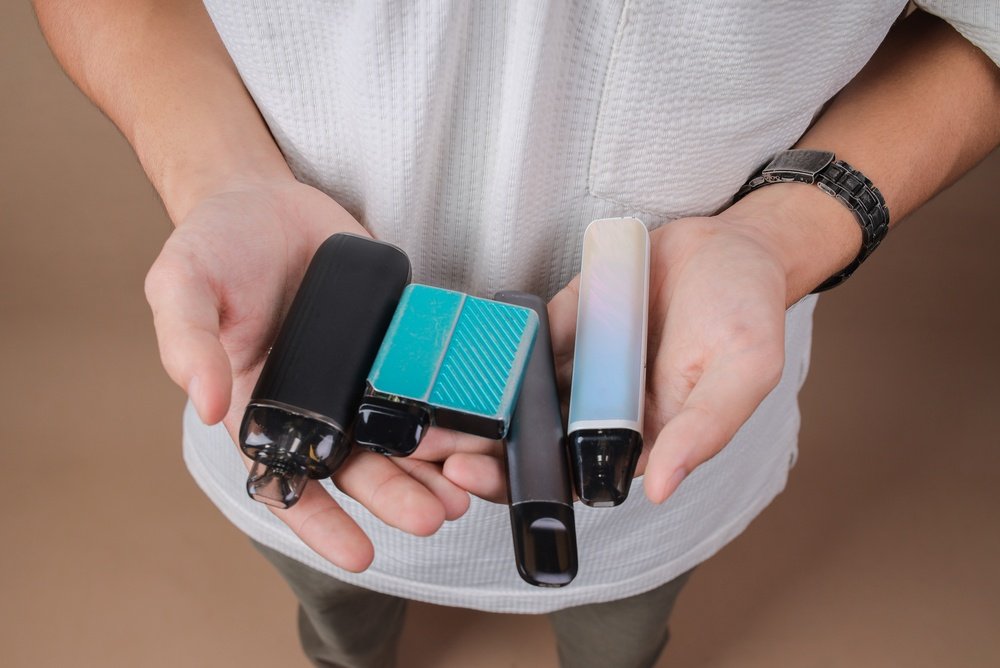
Understanding Different Types of Vaping Device Issues
Different vaping devices contain different components, so the problems they experience can vary.
Disposable Vapes
Disposable vaping devices generally contain a built-in battery, heating component, and e-liquid reservoir. Common issues can include:
- Device not activating.
- Reduced vapour production.
- E-liquid leakage.
- Charging problems in rechargeable models.
- Battery or heating faults.
Disposable devices are generally not designed for internal repairs. Attempting to open them can expose the battery and electrical components, creating additional safety risks.
Pod Systems
Pod systems use replaceable or refillable pods that connect to a battery-powered device. Common issues can include:
- Leaking pods.
- Connection problems.
- Sensor malfunctions.
- Charging issues.
- Poor pod-to-device contact.
The problem may involve the pod, the main device, or both. If issues continue, stop using the device and contact the manufacturer.
Vape Mods
Larger vape mods may contain more advanced electronic controls, adjustable settings, and removable batteries. Common issues can include:
- Error messages.
- Battery not being recognised.
- Charging problems.
- Overheating.
- Battery connection issues.
- Accidental activation.
These devices can have more complex electrical and battery systems. Do not attempt internal repairs or modifications unless specifically authorised by the manufacturer and carried out by a qualified professional.
Important Vaping Battery Safety Tips
Lithium-ion batteries can overheat, catch fire, or explode if damaged, improperly handled, or exposed to unsuitable conditions. Follow these general safety precautions:
- Follow manufacturer instructions. Read and follow the device’s specific safety and charging guidance.
- Avoid extreme temperatures. Do not leave your device in direct sunlight or inside a hot vehicle.
- Use compatible batteries. Never use damaged, swollen, or unsuitable batteries.
- Charge safely. Follow the manufacturer’s charging instructions and use compatible accessories. Keep charging devices away from flammable materials.
- Protect loose batteries. Store removable batteries in a protective case. Never carry them loose with coins, keys, or other metal objects.
- Do not modify the device. Avoid altering wiring, batteries, or internal safety components.
- Dispose of damaged batteries correctly. Follow local battery and electronic waste disposal guidance. Do not place lithium-ion batteries in regular household waste.
These precautions can help reduce some avoidable battery-related risks, but they cannot eliminate all risks associated with vaping devices.
FAQs
Why Is My Vape Device Not Producing Vapour?
Your device may not produce vapour because of a low battery, restricted airflow, damaged heating components, an incorrectly fitted pod, or an internal electrical problem.
The cause can vary depending on the device. Follow the manufacturer’s guidance and stop using it if you notice overheating, physical damage, or other warning signs.
What Does a Burnt Taste Mean?
A burnt taste may indicate damaged heating components, insufficient e-liquid reaching the wick, or overheating.
Stop using the device if you notice a burnt taste, particularly if it is accompanied by unusual heat or other signs of damage.
Why Is My Vape Device Leaking?
Leaking can result from damaged seals, cracks, loose components, or problems with the e-liquid reservoir.
Persistent leakage may allow liquid to reach the device’s electronic components. Stop using the device and follow the manufacturer’s safety guidance.
Is It Dangerous if My Vape Device Overheats?
Excessive or unexplained overheating can indicate a battery or electrical fault.
Stop using and charging the device. Swelling, smoke, unusual smells, hissing, or visible damage are serious warning signs that require immediate caution.
Why Is My Vape Battery Losing Power So Quickly?
This may happen because of normal battery ageing, repeated use, extreme temperatures, or an electrical fault.
If battery performance changes suddenly, stop using the device if you notice other signs of damage or malfunction and contact the manufacturer for guidance.
Can a Vape Device Explode?
Yes. Vape batteries can catch fire or explode, although this does not happen with every device.
Battery damage, electrical faults, or improper handling can increase the risk. Follow the manufacturer’s safety instructions and never use a damaged or swollen battery.
Should I Try to Fix My Faulty Vape Device?
Opening sealed devices, altering wiring, or attempting to repair a battery can be dangerous.
Contact the manufacturer or an appropriately qualified professional for guidance. Do not attempt to repair damaged lithium-ion batteries or internal electronics yourself.
When Should I Stop Using My Vape Device?
Stop using your device immediately if it:
- Becomes excessively hot.
- Activates unexpectedly.
- Leaks liquid into the electronics.
- Has a swollen or damaged battery.
- Produces smoke or unusual smells.
- Shows signs of melting, burning, or physical damage.
If the device is smoking, swelling, or showing signs of fire, move away and contact emergency services if there is an immediate danger.
Final Thoughts
Vaping device problems can result from battery, charging, heating, airflow, or e-liquid system faults. While some issues may develop through normal wear and tear, others can indicate potentially serious electrical or battery problems. Recognising warning signs such as overheating, burnt taste, leaking, accidental activation, and physical damage is important for understanding when a device may be unsafe. Follow manufacturer instructions, avoid DIY repairs, and stop using devices that show signs of battery damage or electrical malfunction. Remember that vaping is not risk-free. Many vaping products contain nicotine, which is addictive. A properly functioning device does not make vaping safe.
Bellagio vapor Phoenix – North
- Contact Number(602) 427-5611
- Address12428 N 28th Dr Phoenix, AZ 85029-2433
- Time09:00 AM – 11:00 PM