
If your vape is not producing vapor, the problem could be related to its battery, liquid supply, heating element, airflow, or internal components. In some cases, the device may still light up or appear to be working but fail to produce vapor. Understanding the common causes can help you recognize when a device may be malfunctioning and when it should no longer be used. This guide explains eight common reasons why a vape may not produce vapor, warning signs to look out for, and important safety considerations for users in Arizona.
How Does a Vape Produce Vapor?
Most vaping devices contain a battery, heating element, wick, and liquid reservoir. When activated, the battery supplies power to the heating element, which heats the e-liquid to produce an aerosol commonly referred to as vapor. The main components include:
- Battery: Supplies electrical power.
- Heating coil: Heats the e-liquid.
- Wick: Delivers liquid to the heating element.
- Pod or tank: Holds the e-liquid.
- Airflow system: Allows air to pass through the device.
- Activation mechanism: Starts the heating process.
A problem with any of these components can prevent the device from producing vapor.
Common Reasons Why Your Vape Is Not Producing Vapor
Low or Depleted Battery
A low battery may prevent the heating element from receiving enough power to operate. Even if the indicator light turns on, the battery may not have sufficient charge to activate the heating system. Common signs include:
- Blinking indicator light.
- Device failing to turn on.
- Little or no vapor production.
- Unexpected shutdowns.
Follow the manufacturer’s charging instructions and use only compatible charging accessories. If the battery is swollen, damaged, or unusually hot, do not attempt to charge or use the device.
Empty Pod or Tank
Most vaping devices require an adequate liquid supply to operate as intended. If the pod or tank is empty, the heating element may not receive enough liquid, potentially resulting in little or no aerosol production. Possible signs include:
- No visible e-liquid.
- Sudden reduction in output.
- Dry or burnt taste.
- Device appearing active without producing vapor.
A burnt or dry taste may indicate that the device is not functioning properly. Stop using it rather than continuing to activate the heating element.
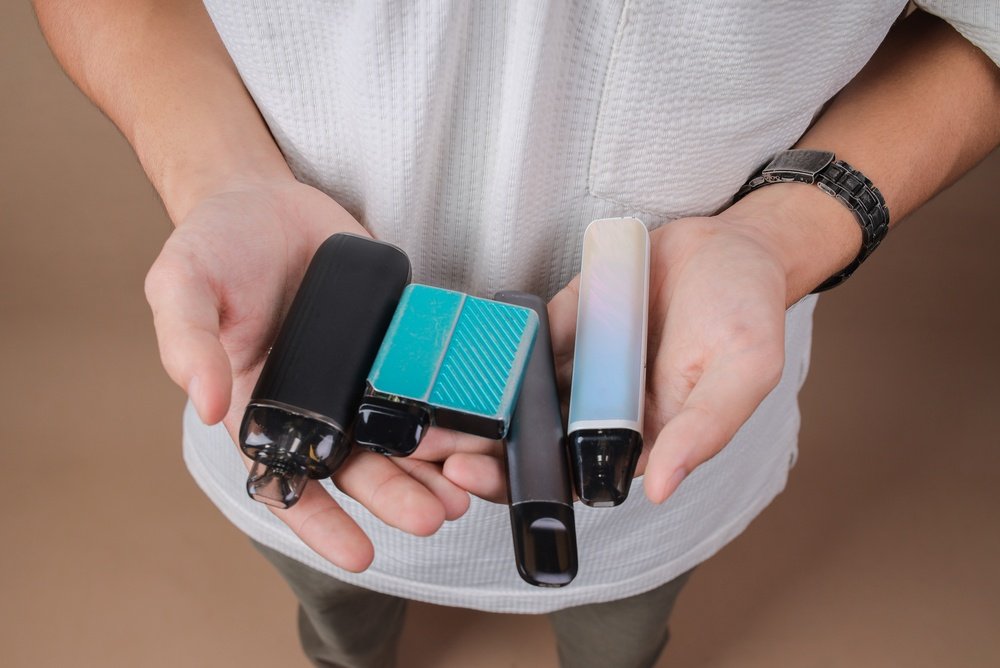
Damaged or Worn Heating Coil
The heating coil is responsible for heating the e-liquid. Over time, it can become worn, damaged, or affected by residue buildup. A faulty heating element may cause inconsistent performance or prevent the device from producing vapor. Signs may include:
- Little or no vapor.
- Persistent burnt taste.
- Inconsistent heating.
- Visible damage or residue.
If you suspect a damaged coil, stop using the device and follow the manufacturer’s guidance. Do not attempt to repair damaged electrical components.
Blocked Airflow
Airflow problems can interfere with the normal operation of a vaping device. Dust, lint, condensation, or leaked liquid may obstruct the airflow openings. Common signs include:
- Restricted airflow.
- Unusually tight draw.
- Inconsistent vapor production.
- Gurgling sounds.
If there are no signs of electrical damage, refer to the manufacturer’s cleaning instructions. Avoid inserting sharp objects into the device or opening sealed components.
Pod or Coil Connection Problems
Some vaping devices use detachable pods or coils that connect through electrical contacts. If these components are not being recognized correctly, the heating system may not activate. Possible signs include:
- Blinking indicator lights.
- Error messages.
- Device powering on without heating.
- Intermittent operation.
Damaged contacts, residue, or faulty components may contribute to connection problems. Follow the device manual for safety information. If the contacts appear damaged, contact the manufacturer or retailer instead of attempting an electrical repair.
Device Safety Lock or Error Warning
Many vaping devices include built-in safety features designed to prevent operation when a potential problem is detected. Depending on the model, warnings may relate to:
- Short circuits.
- Overheating.
- Low battery voltage.
- Electrical malfunctions.
- Activation errors.
An indicator light or screen may display a warning when the device detects a problem. Check the manufacturer’s manual to understand the warning and never attempt to bypass a safety feature. Stop using the device if the fault continues.
Device Has Reached the End of Its Life
Vaping devices contain electronic and heating components that can deteriorate over time. Repeated use, battery degradation, liquid leakage, and physical wear may eventually affect performance. Signs of a failing device include:
- Frequent charging problems.
- Repeated error messages.
- Unreliable operation.
- Visible cracks or damage.
- Failure to turn on.
Disposable devices may also stop functioning when their battery or liquid supply is depleted. Never attempt to open or modify a sealed disposable device.
Internal Electronic Malfunction
Sometimes the problem is caused by an internal electrical fault rather than the battery, liquid supply, or airflow. Potentially affected components include the control circuit, activation sensor, electrical contacts, and heating system. An electronic malfunction may cause the device to:
- Stop responding.
- Blink unexpectedly.
- Shut down during use.
- Heat inconsistently.
- Activate unexpectedly.
Internal electronic repairs can be dangerous, particularly because many devices contain lithium-ion batteries. Contact the manufacturer or retailer if you suspect an internal fault.
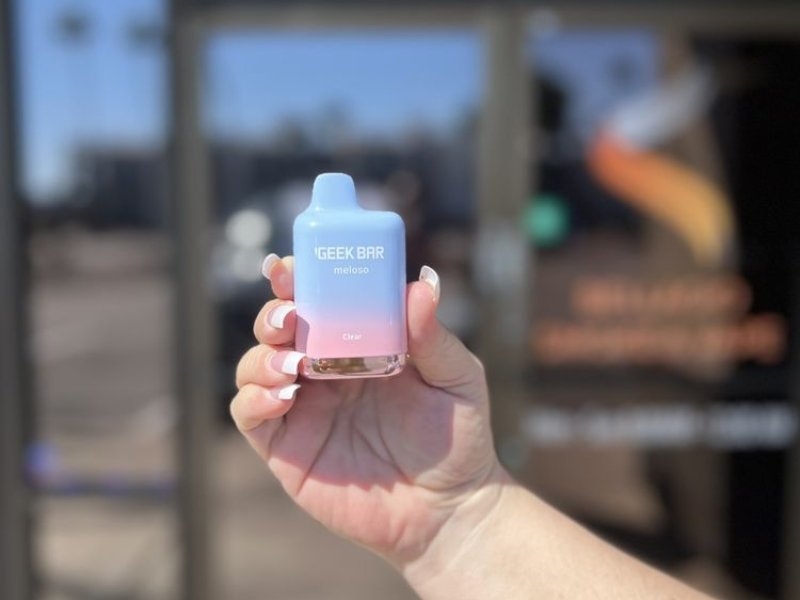
Why Is My Vape Lighting Up but Not Producing Vapor?
If your vape’s indicator light turns on but no vapor is produced, it may indicate that some electrical components are receiving power while the heating system is not functioning correctly. Possible causes include:
- A damaged heating element.
- An empty liquid reservoir.
- A pod connection problem.
- Restricted airflow.
- An internal electrical fault.
The indicator light alone does not confirm that the device is operating safely. Check the manufacturer’s instructions for the meaning of its indicator signals and stop using the device if a fault is suspected.
Why Is My New Vape Not Producing Vapor?
A new device that fails to produce vapor may have a manufacturing defect, battery issue, damaged component, or activation problem. Other possible explanations include:
- Protective packaging or seals not being removed as instructed.
- Incompatible or incorrectly fitted components.
- A damaged pod or cartridge.
- Battery or electronic malfunction.
- Damage during storage or transportation.
Check the product instructions and inspect the device for visible damage. If it still does not function as intended, contact the seller or manufacturer about warranty or replacement options. Avoid opening the device or attempting to modify its internal components.
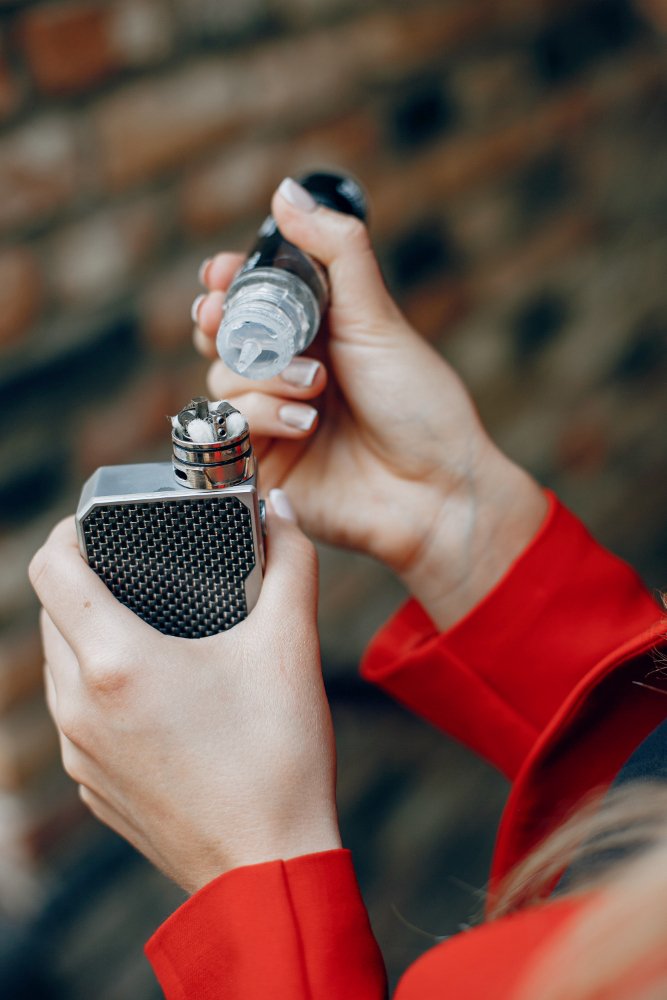
When Should You Stop Using Your Vape?
Some device problems may indicate a serious battery or electrical safety issue. Stop using the device immediately if you notice:
- Excessive or unusual heat.
- A swollen or damaged battery.
- Smoke, sparks, or unusual odors.
- Melted or damaged components.
- Liquid entering electrical components.
- Unexpected activation.
- A damaged charging port.
Do not attempt to charge, open, or repair a damaged device. If it is safe to do so, keep it away from flammable materials. The U.S. Food and Drug Administration (FDA) recommends following manufacturer safety instructions and using appropriate charging equipment. Vape devices should be charged on a clean, visible surface away from materials that could catch fire. For damaged lithium-ion batteries and electronic devices, follow applicable local disposal requirements. Do not place damaged batteries in regular household trash.
How to Reduce Common Vape Device Problems
Electronic vaping devices should always be handled according to their manufacturer’s safety instructions. General precautions include:
- Follow the manufacturer’s operating and charging instructions.
- Keep devices away from extreme temperatures and moisture.
- Do not use visibly damaged batteries or components.
- Avoid modifying internal electronics.
- Never leave a charging device unattended.
- Keep vaping products away from children and pets.
- Follow local electronic waste disposal guidelines.
These precautions do not eliminate all risks. Vaping products are not risk-free, and many contain nicotine, an addictive substance. Their aerosol may also expose users to potentially harmful substances. People who do not currently use tobacco or nicotine products should not start vaping.
Frequently Asked Questions
Why Is My Vape Not Producing Vapor Even Though It Is Charged?
A fully charged battery does not guarantee that the device is functioning correctly. A damaged heating element, empty reservoir, airflow obstruction, connection problem, or internal malfunction may prevent vapor production.
Why Is My Vape Blinking and Not Producing Vapor?
A blinking indicator may signal low battery voltage, a connection problem, overheating, or another device error. The meaning varies by model, so refer to the manufacturer’s instructions.
Can an Empty Pod Cause a Vape to Stop Producing Vapor?
Yes. An empty reservoir may prevent the heating element from receiving sufficient liquid, resulting in little or no aerosol production.
Can a Damaged Coil Cause No Vapor?
Yes. A damaged or malfunctioning heating element may prevent the device from heating properly and producing vapor.
Why Has My Disposable Vape Suddenly Stopped Working?
A disposable device may stop functioning because of battery depletion, an empty liquid reservoir, physical damage, or an internal component failure. Do not attempt to open or modify a sealed disposable device.
Is It Safe to Use a Vape That Tastes Burnt?
A burnt taste may indicate a problem with the heating element or liquid supply. Stop using the device rather than continuing to activate it.
Can Temperature Affect Vape Device Performance?
Yes. Extreme temperatures can affect battery performance and device safety. Follow the manufacturer’s temperature and storage recommendations, and never charge a device in unsuitable conditions.
Should I Repair My Vape If It Stops Working?
Do not attempt to repair sealed batteries, internal electronics, or damaged components. Contact the manufacturer or retailer for appropriate inspection, replacement, or disposal guidance.
Final Thoughts
A vape that is not producing vapor may have a depleted battery, empty reservoir, damaged heating element, restricted airflow, connection problem, or internal electronic fault. While some issues may be related to normal device wear, others can indicate a potential safety concern. Pay attention to warning signs such as excessive heat, battery swelling, smoke, unusual odors, and visible damage. Always follow the manufacturer’s safety instructions, avoid attempting internal repairs, and dispose of damaged electronic devices and batteries responsibly.
Bellagio vapor Phoenix – North
- Contact Number(602) 427-5611
- Address12428 N 28th Dr Phoenix, AZ 85029-2433
- Time09:00 AM – 11:00 PM